
Industrial Valve Engineering Knowledge Base

Practical engineering guides covering valve selection, standards, materials, failure analysis, maintenance, and industry applications.

Browse Valve Selection Explore Valve Standards

Valve Engineering Core Modules

Valve Selection

Selecting the correct valve for a given service requires evaluation of pressure class, temperature range, fluid compatibility, flow requirements, and end connection standards. This module covers the complete selection process from service definition through final specification.
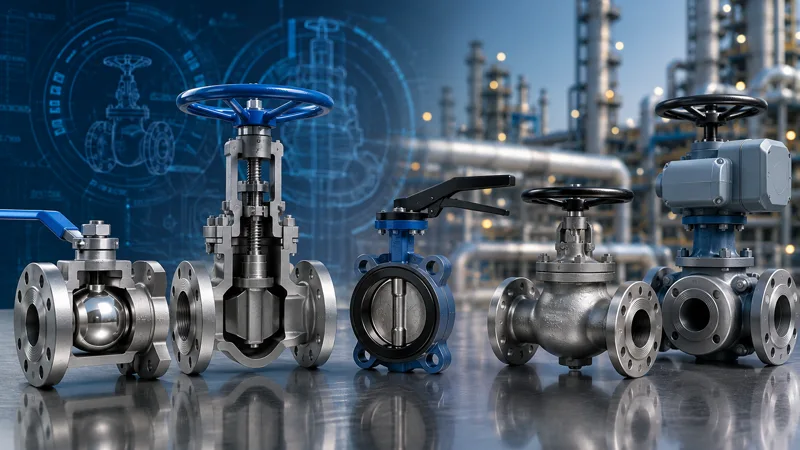
Valve Types

Industrial valves are classified by closure element design, which determines flow characteristic, pressure drop, and suitable service conditions. Understanding each type is essential for correct application and specification.
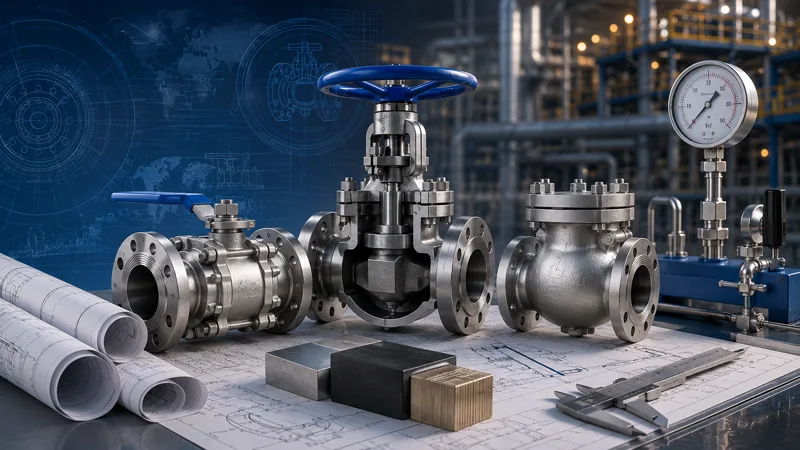
Valve Standards

API, ASME, and ISO standards define dimensional, material, testing, and performance requirements for industrial valves. Compliance with applicable standards is mandatory for pipeline, process, and pressure vessel service.
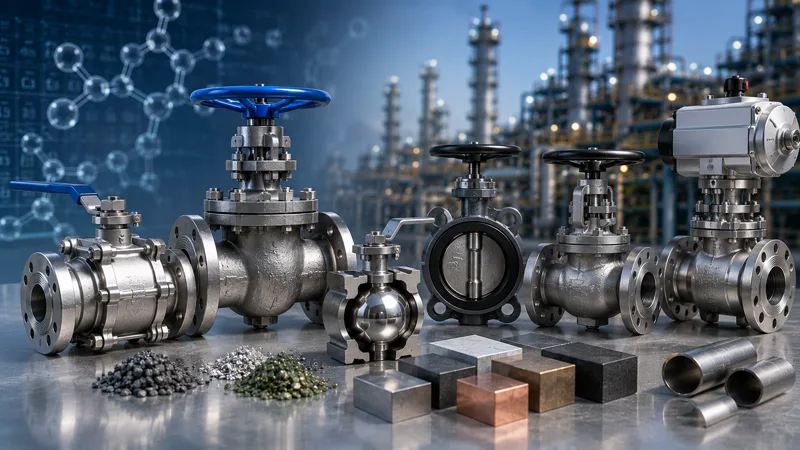
Valve Materials

Material selection determines corrosion resistance, mechanical strength, and suitability for process fluid and temperature conditions. Correct material specification prevents premature failure and ensures compliance with applicable pressure equipment directives.
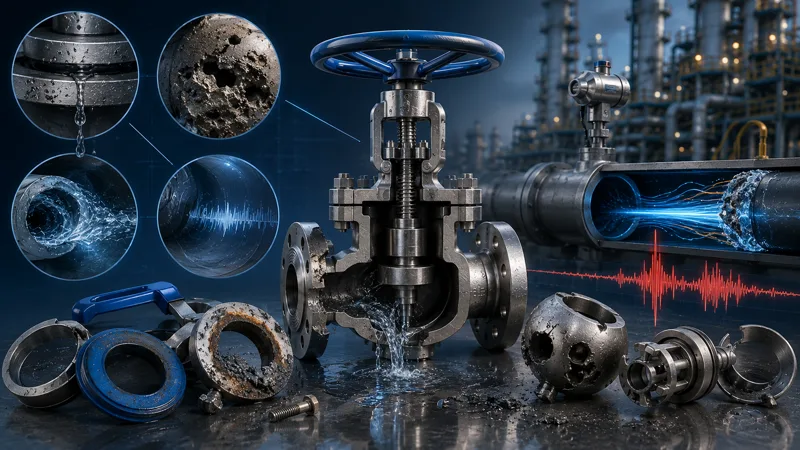
Valve Failure and Troubleshooting

Understanding the root causes of valve failure — including leakage, cavitation, erosion, and water hammer — is essential for preventing unplanned downtime and extending service life in high-pressure and critical process systems.
Industry Applications

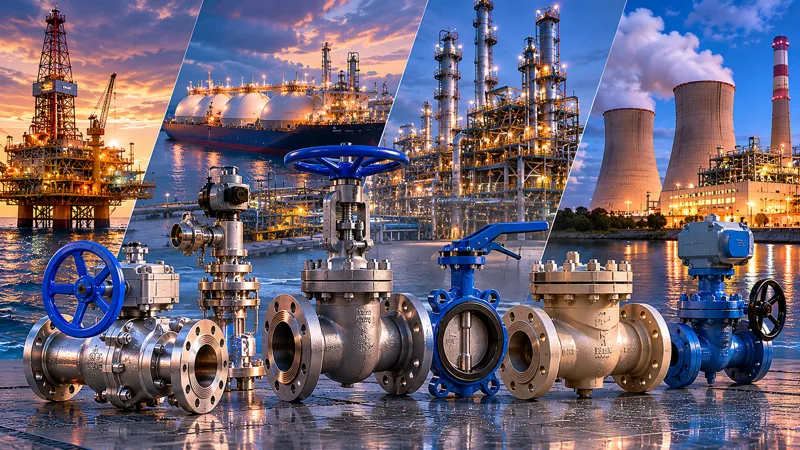
Valve specifications vary significantly across industries. Oil and gas, LNG, power generation, and chemical processing each impose distinct requirements for pressure class, material, end connection, and safety certification that must be addressed during valve selection.
Valve Maintenance

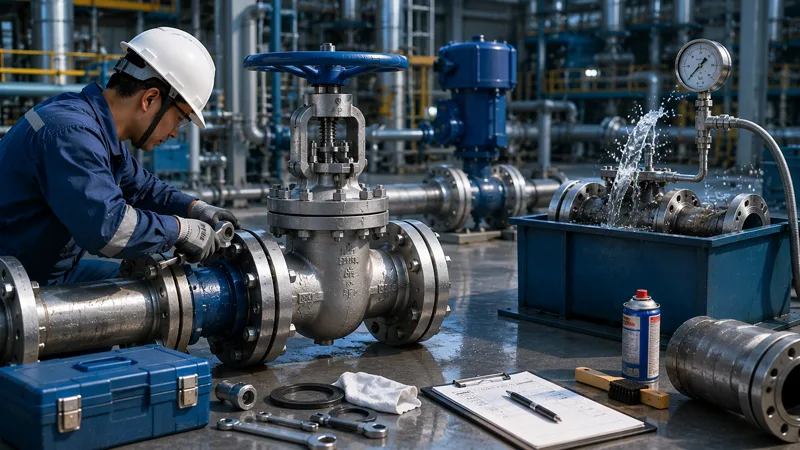
Proper installation, hydrostatic testing, and preventive maintenance procedures are essential for long-term valve performance and compliance with applicable inspection and integrity management requirements.
Valve Terminology

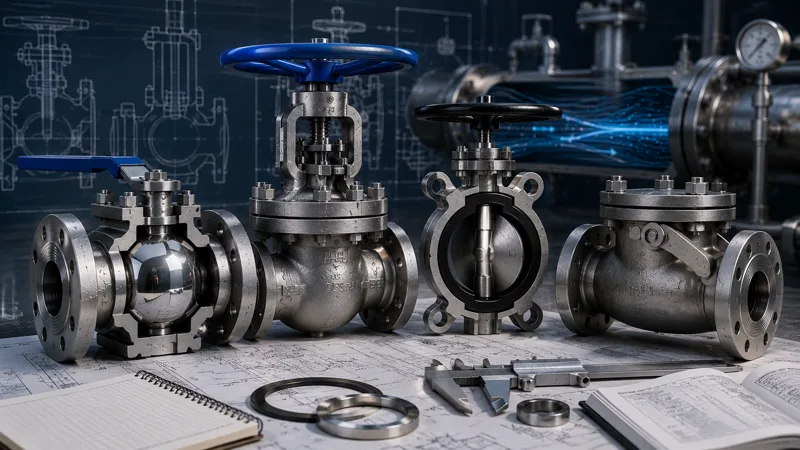
Consistent use of standardized engineering terminology is essential for accurate valve specification, procurement, and compliance documentation. This module defines the core technical terms used throughout valve datasheets, standards, and engineering specifications.

Featured Industrial Valve Guides

In-depth engineering guides covering valve selection, sizing, standards compliance, and material specification for industrial and pipeline service applications.

Industrial Valve Selection Guide

A structured framework for selecting valves based on service classification, pressure class, fluid compatibility, and end connection requirements across oil and gas, chemical, and power generation applications.

Valve Sizing and CV Calculation

Engineering methodology for calculating required Cv values, evaluating pressure drop, and confirming flow capacity for liquid, gas, and steam service using ANSI/ISA sizing equations.

API 6D vs API 600

A technical comparison of the two principal API valve standards, covering scope, design requirements, testing procedures, and applicable service conditions for pipeline and pressure vessel applications.

Material Selection for Corrosive Media

Engineering guidance on selecting valve body, trim, and sealing materials for corrosive process fluids including H2S, chlorides, acids, and caustic media under elevated pressure and temperature conditions.

Cavitation in Control Valves

Technical explanation of cavitation mechanisms in control valves, including conditions that cause vapor bubble formation and collapse, resulting damage patterns, and trim design solutions for cavitation service.

High Pressure Valve Selection

Selection criteria for valves in Class 900 through Class 2500 service, including pressure class verification, end connection requirements, body material selection, and applicable API and ASME standards.

Valve Comparison Guides

Side-by-side technical comparisons of valve types, designs, and material configurations to support selection decisions based on engineering performance criteria.

Ball vs Gate Valve

Compares ball and gate valve designs across pressure drop, sealing performance, actuation requirements, maintenance, and applicable service conditions in isolation and pipeline applications.

Globe vs Butterfly Valve

Technical comparison of globe and butterfly valve designs for control and isolation service, evaluating flow coefficient, rangeability, pressure drop, and suitability for modulating applications.

Floating vs Trunnion Ball Valve

Explains the structural and sealing differences between floating and trunnion mounted ball valve designs, including torque characteristics, pressure class suitability, and large-diameter application requirements.

Metal Seat vs Soft Seat

Compares metal and soft seat designs across leakage class, temperature and pressure limits, erosion resistance, fire safe performance, and maintenance requirements in industrial valve applications.

Engineering Tools and Calculation Guides

Reference guides supporting valve sizing calculations, pressure class selection, and hydraulic system design for process and pipeline engineering applications.

CV Calculation Guide

Step-by-step calculation methodology for determining required Cv values for liquid, gas, and steam service using ANSI/ISA S75.01 equations, with worked examples for common industrial applications.

Pressure Class Selection

Engineering guidance for selecting the correct ASME B16.5 or ASME B16.47 pressure class based on design pressure, design temperature, and material group, including pressure–temperature rating table interpretation.

About ValveAnswer

ValveAnswer is an independent engineering knowledge base dedicated to industrial valve technology. All content is developed from API, ASME, and ISO standards and is intended for process engineers, piping engineers, instrumentation engineers, and technical procurement professionals.

  • Independent knowledge base with no product or manufacturer affiliation
  • Content based on API, ASME, ISO, and ISA engineering standards
  • Designed for engineers, technical buyers, and inspection professionals
  • Covers valve selection, sizing, standards, materials, failure analysis, and maintenance