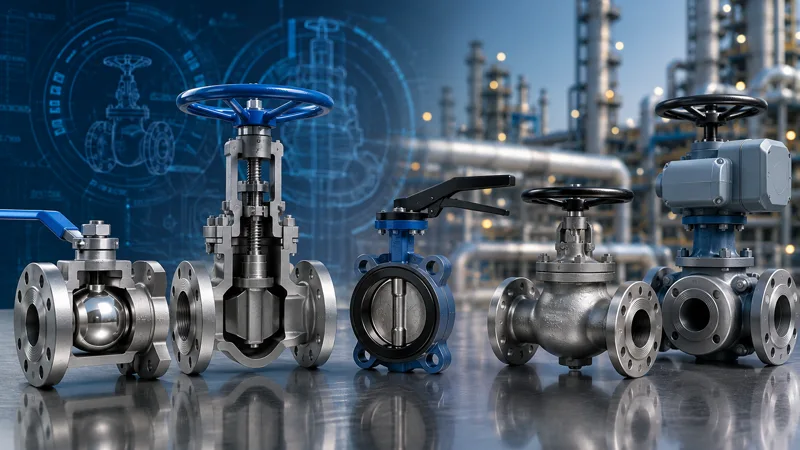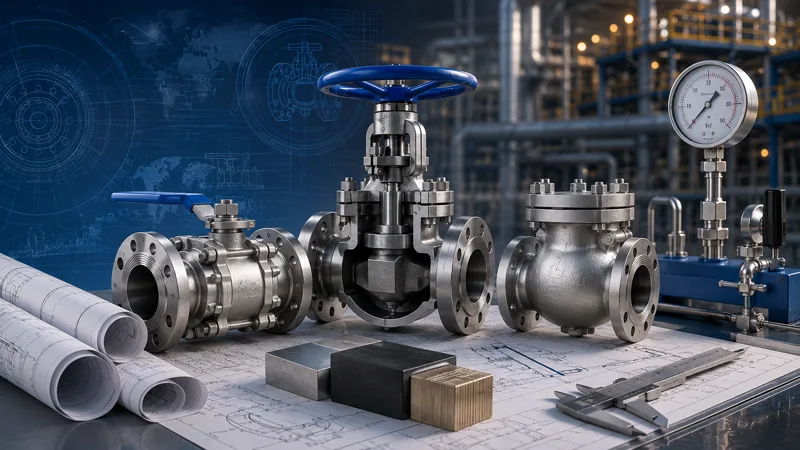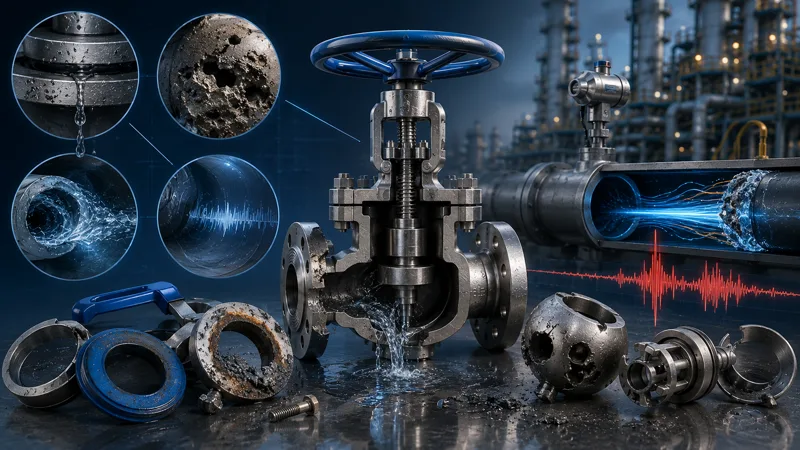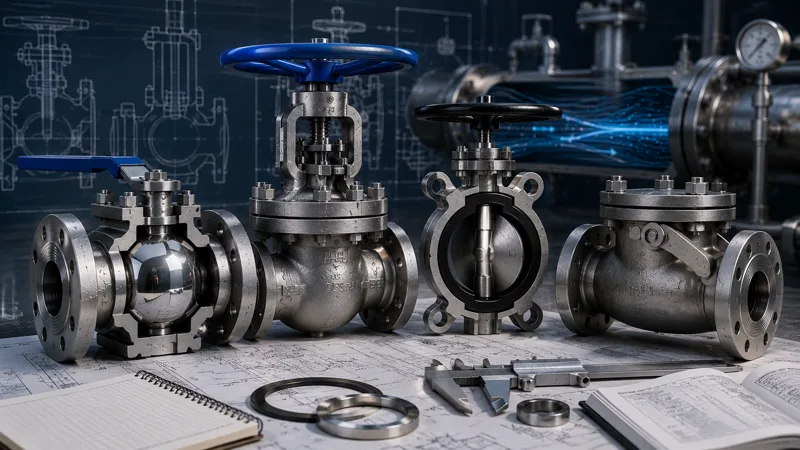
What Is Valve Terminology in Industrial Valve Engineering?

What Is Valve Terminology in Industrial Valve Engineering?

Direct Answer

Valve terminology refers to the standardized technical vocabulary used to describe valve design, pressure ratings, sealing performance, dimensional standards, actuation methods, and flow characteristics. It ensures consistent communication among engineers, manufacturers, and inspectors, reducing ambiguity in specification, selection, installation, and maintenance of industrial valve systems.

Key Takeaways

  • Valve terminology standardizes communication across engineering, procurement, and inspection processes.
  • Terms define pressure capability, leakage performance, dimensions, and operational behavior.
  • Most terminology is derived from international standards such as ASME, API, and ISO.
  • Accurate understanding prevents specification errors and safety risks.

How It Works

Valve terminology functions as a structured classification system that describes the mechanical, hydraulic, and structural characteristics of industrial valves. Each term corresponds to a measurable design parameter, performance limit, or construction feature. Understanding these categories is essential for anyone working with valve terminology in a professional context.

Pressure and Temperature Definitions

These terms define allowable operating limits and determine mechanical integrity and compliance with standards such as ASME B16.34. Key terms include pressure class explanation, pressure rating vs design pressure, working pressure definition, and pressure drop across valve.

Sealing and Leakage Performance

Leakage definitions clarify acceptable sealing performance levels, linked to testing standards such as API 598 and ISO 5208. Relevant terms include bubble tight definition, zero leakage meaning, seat leakage class standard, and fire safe valve definition.

Dimensional and Connection Terminology

Dimensional terms ensure compatibility within piping systems and prevent installation mismatches. These include face to face dimension, RTJ flange explanation, NPT vs BSP thread difference, and full port vs reduced port. Refer to the valve terminology guide for a complete overview.

Flow and Hydraulic Terminology

Flow-related terms describe valve performance characteristics essential for sizing and hydraulic modeling. These include Cv value definition, flow coefficient explanation, pressure drop, rangeability, and control valve rangeability. These definitions fall under industrial valve terminology.

Mechanical Design Terminology

Design-related terminology defines structural configuration and operating mechanisms. Key terms include valve actuator definition, valve torque explanation, trunnion mounted ball valve, and double block and bleed. These form the core of the valve terminology reference.

In practice, terminology works by linking engineering documentation, drawings, data sheets, and procurement specifications to standardized definitions. This prevents misinterpretation between manufacturers, contractors, and end users.

Main Components of Valve Terminology Classification

Valve terminology can be organized into structured groups for engineering clarity.

Pressure Classification Terms

These describe structural strength limits — including pressure class, pressure rating, design pressure, and working pressure — ensuring compatibility with piping system pressure envelopes.

Sealing Performance Terms

These define acceptable leakage criteria: bubble-tight, zero leakage, seat leakage class, and fire-safe valve. They are verified during hydrostatic and pneumatic testing.

Geometric and Dimensional Terms

These determine interchangeability, covering face-to-face dimension, end connection type, RTJ flange, and thread standards. Dimensional standardization ensures pipeline alignment.

Flow Characteristic Terms

These describe fluid dynamic behavior, including Cv value, flow coefficient, pressure drop across valve, and control valve rangeability. These are critical for sizing calculations and control stability.

Operational and Mechanical Terms

These relate to actuation and structural configuration: valve actuator, valve torque, trunnion-mounted ball valve, and double block and bleed. These terms define how a valve operates under load.

Advantages of Standardized Valve Terminology

Standardized terminology provides measurable engineering benefits across the full project lifecycle.

  1. Specification Accuracy: Clear terminology prevents ambiguity in technical documents and purchase orders.
  2. Safety Improvement: Accurate pressure and leakage definitions reduce the risk of catastrophic failure.
  3. International Compatibility: Global standards harmonize terminology across regions and manufacturers.
  4. Simplified Inspection and Testing: Inspection criteria directly reference terminology-based performance classes.
  5. Engineering Efficiency: Consistent language reduces clarification cycles during project execution.

Typical Applications

Valve terminology is applied across multiple engineering activities throughout a project’s lifecycle.

  1. Engineering Design: Engineers use terminology to define pressure class, flow coefficient, actuator type, and leakage class — parameters that determine system safety and functionality.
  2. Procurement and Vendor Evaluation: Procurement teams rely on standardized definitions to compare bids objectively.
  3. Commissioning and Testing: Inspection teams verify compliance with leakage class, pressure rating, and dimensional standards.
  4. Maintenance and Troubleshooting: Accurate terminology helps diagnose issues such as excessive torque, pressure drop, or seat leakage.
  5. Regulatory Compliance: Projects must meet ASME, API, or ISO standards, which rely on defined terminology.

Frequently Asked Questions

What is the purpose of valve terminology?

Valve terminology ensures consistent technical communication across design, manufacturing, inspection, and maintenance processes, minimizing specification errors and operational risk.

Is valve terminology standardized internationally?

Yes. Most terminology is governed by standards such as ASME, API, ISO, and MSS, ensuring consistent interpretation across global markets.

Why is pressure class different from working pressure?

Pressure class is a standardized rating category defined by design codes, while working pressure refers to the actual maximum allowable operating pressure under specified temperature conditions.

How does Cv value relate to pressure drop?

Cv value quantifies the valve’s flow capacity. Higher Cv values typically result in lower pressure drop at a given flow rate.

Conclusion

Valve terminology provides the structured technical language required for accurate specification, safe operation, and standardized communication in industrial valve systems. Proper understanding reduces engineering risk and ensures regulatory compliance across all project phases. Mastery of terminology is fundamental for design, procurement, and maintenance professionals working within international standards frameworks.