What Is Zero Leakage in Valve Engineering?
Direct Answer
Zero leakage refers to a valve shutoff condition in which no measurable fluid passes through the closed valve under specified test conditions and detection limits. It typically corresponds to the most stringent seat leakage classifications, such as ANSI/FCI Class VI, and is verified using controlled pressure and test media.
Key Takeaways
- Zero leakage means no detectable fluid flow under defined test conditions, not absolute molecular impermeability.
- It is based on measurement limits established by applicable standards such as ANSI/FCI 70-2, API 598, and ISO 5208.
- Most commonly achieved with soft-seated or resilient-seated valves using materials such as PTFE or elastomers.
- Verification depends on standardized leakage testing procedures specifying test pressure, medium, duration, and acceptance criteria.
- Metal-seated valves generally cannot achieve zero leakage classification under low-pressure air testing.
How It Works
Definition of Zero Leakage
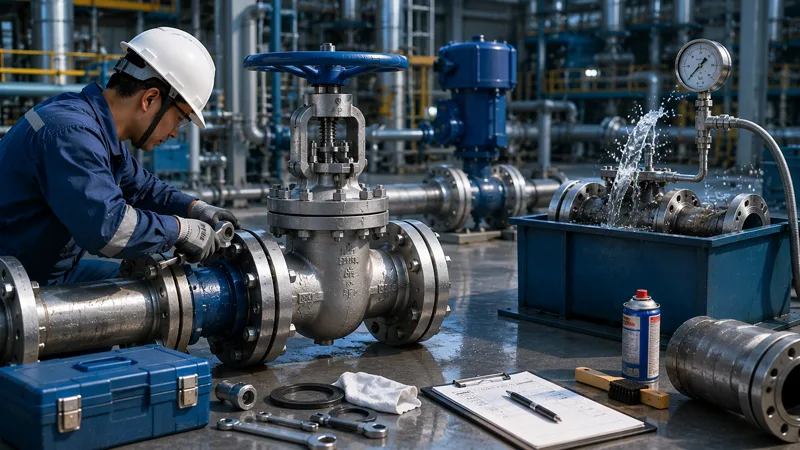
Zero leakage is determined through standardized seat leakage testing performed under controlled workshop or laboratory conditions. The valve is fully closed and subjected to a specified differential pressure using air, gas, or liquid as the test medium. Leakage is measured using calibrated instrumentation capable of detecting small volumetric flow rates. If measured leakage remains below the defined acceptance criterion — effectively zero within detection limits — the valve qualifies as zero leakage under that classification.
Within the broader context of valve terminology, zero leakage is a performance classification rather than an absolute physical condition. It is related to but distinct from seat leakage class, which provides a numerical framework of allowable leakage rates for different valve types and service requirements. It is also distinct from bubble tight, which is a visual observation-based criterion rather than a quantified measurement standard.
Leakage Testing Standards
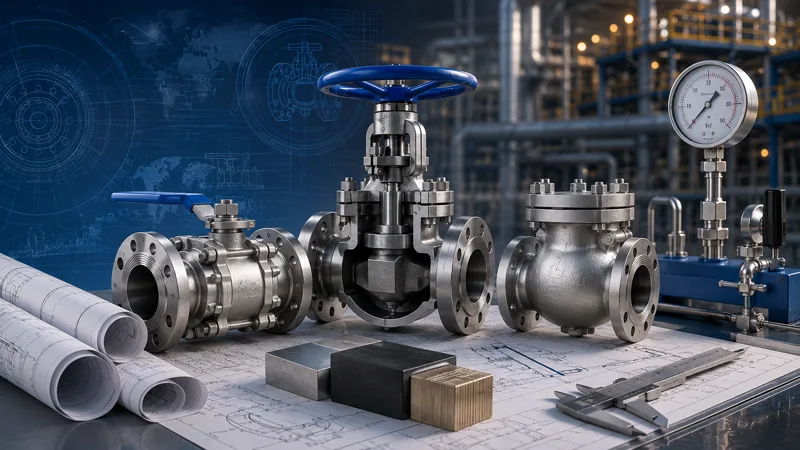
Zero leakage performance is governed by multiple industry standards, each defining specific acceptance criteria. ANSI/FCI 70-2 defines Class VI as the most stringent control valve leakage classification, with allowable leakage expressed as a maximum number of bubbles per minute or equivalent volumetric rate based on valve size. API 598 covers valve inspection and testing for industrial valves including gate, globe, ball, and butterfly types. ISO 5208 defines leakage rate designations for industrial valves tested with liquid or gas media.
Test conditions directly influence results. Engineers must ensure that the test pressure corresponds to the relevant valve pressure classes and that the relationship between pressure rating vs design pressure is properly understood when interpreting test certification. Zero leakage verified at low test pressures may not reflect performance at full system working pressure, and this distinction must be documented in valve datasheets and inspection records.
Relationship to Valve Design and Operation
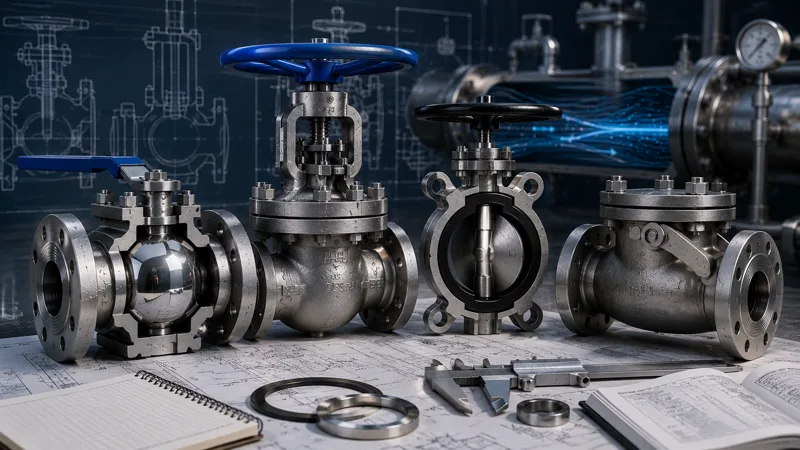
Achieving zero leakage requires specific design features. Soft or resilient seating materials such as PTFE, reinforced PTFE, and elastomers deform elastically under closure force, eliminating micro-gaps at the sealing interface. Precision-machined seating surfaces with controlled roughness values are essential, as surface irregularities create leakage paths that prevent zero leakage classification.
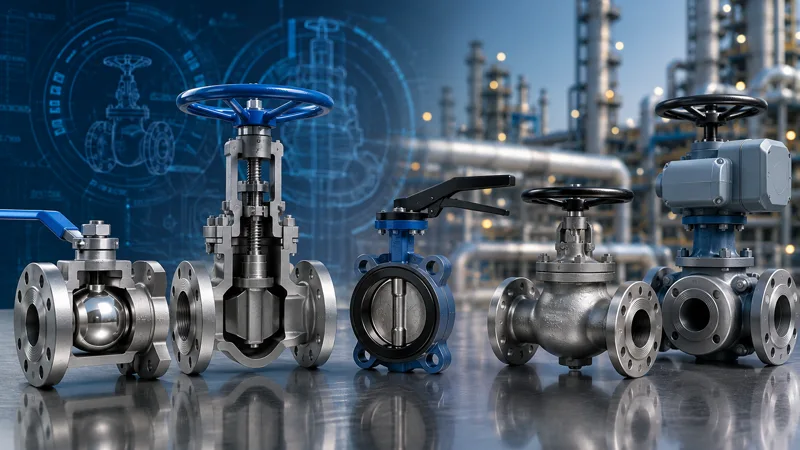
Valve type and structural configuration significantly influence achievable leakage performance. A trunnion mounted ball valve with soft seats provides stable seat contact geometry that supports consistent zero leakage performance across multiple operating cycles. For applications requiring isolation at multiple points within a single valve body, a double block and bleed configuration incorporating zero-leakage seats ensures that both upstream and downstream seating elements meet the required classification independently.
Adequate closure force is a prerequisite. The valve actuator must generate sufficient valve torque to achieve full seat compression without exceeding material stress limits. Insufficient torque results in incomplete seating contact and failure to meet zero leakage acceptance criteria during testing.
Interaction with Flow and Pressure Characteristics
Zero leakage classification applies to the closed valve condition and must be considered alongside flow performance requirements for the open valve position. Engineers evaluating valve selection must confirm that the design providing zero leakage shutoff also satisfies the required pressure drop across valve under normal flow conditions. Excessive flow restriction in the open position may indicate an undersized valve or a trim geometry that compromises flow capacity.
The Cv value and flow coefficient of the selected valve must be verified against system hydraulic requirements. For control valve applications, control valve rangeability must also be evaluated to ensure stable control performance across the expected operating range while maintaining zero leakage shutoff at the fully closed position. These parameters are interdependent and must be assessed together during valve specification.
Main Components
Seat Design
Seat geometry determines contact pressure distribution across the sealing interface. Soft seats deform elastically under closure force to eliminate micro-gaps. Seat design must balance adequate sealing contact with resistance to extrusion, creep, or mechanical damage under repeated operating cycles.
Sealing Material
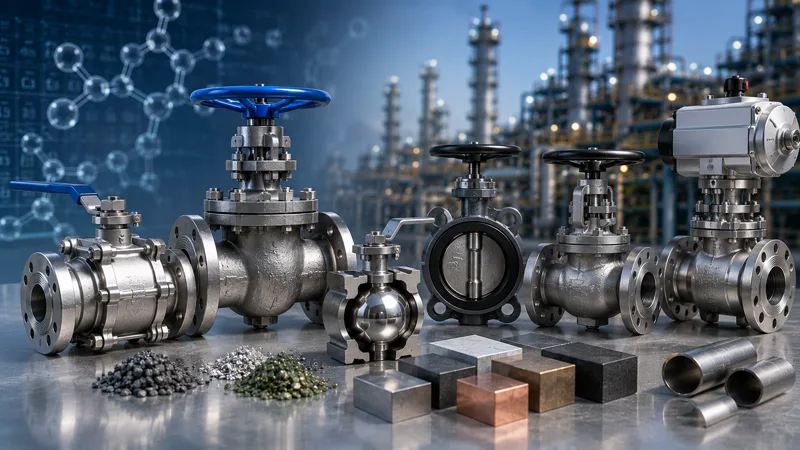
Common materials include PTFE, reinforced PTFE, EPDM, NBR, and advanced polymer composites. Material selection must account for operating temperature range, chemical compatibility with process fluid, compression set behavior, and long-term mechanical stability under cyclic loading.
Surface Finish
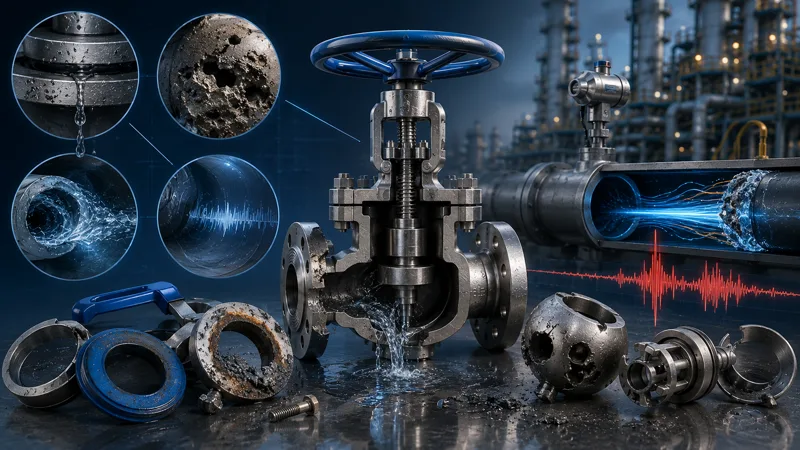
Seating surfaces must meet controlled surface roughness specifications. Scratches, pitting, or machining defects create leakage paths that prevent zero leakage classification. Surface finish requirements are typically specified in the valve manufacturing standard or project specification.
Differential Pressure
Higher differential pressure may improve seat contact force in some designs but can also stress sealing materials or cause extrusion of soft seat elements. Zero leakage classification is valid only at the test pressure defined by the applicable standard, not across all differential pressure conditions.
Actuation Force
Adequate actuator torque ensures full seating contact is achieved and maintained throughout the test observation period. Torque requirements must be calculated based on seat material, geometry, and specified test differential pressure, with appropriate margins for in-service conditions.
Advantages
- Maximum Isolation Integrity: Zero leakage valves provide high-confidence shutoff in critical isolation services where unintended flow presents safety or process risks.
- Process Safety: Prevents unintended fluid transfer between system sections during maintenance, shutdown, or emergency isolation scenarios.
- Environmental Protection: Reduces emission risk in gas, vapor, and hazardous fluid systems, supporting compliance with environmental regulations.
- Precision Control Applications: Satisfies tight shutoff requirements mandated for Class VI control valve service in critical process applications.
- Regulatory Compliance: Verified zero leakage classification supports documentation requirements for pressure systems subject to ASME, API, or ISO inspection regimes.
Typical Applications
- Hazardous Chemical Systems: Prevents cross-contamination and uncontrolled exposure in systems handling toxic, corrosive, or reactive process fluids.
- Gas Handling Systems: Used where gas escape must be minimized for safety compliance, environmental regulation, or product containment requirements.
- Pharmaceutical and Food Processing: Maintains hygienic separation between process streams and prevents contamination across closed valve seats.
- Instrumentation Isolation: Protects sensitive measurement devices from unintended pressure transmission or fluid ingress when isolation is required.
- High-Purity Systems: Critical in semiconductor manufacturing and specialty gas distribution where trace contamination through valve seats is not acceptable.
Frequently Asked Questions
Is zero leakage truly absolute zero flow?
No. Zero leakage means no measurable leakage within the detection sensitivity and acceptance criteria defined by the applicable standard. It reflects compliance with a classification threshold rather than theoretical molecular impermeability, which is not achievable in practical valve designs.
Is zero leakage the same as bubble tight?
Not exactly. Bubble tight refers to no visible bubbles during low-pressure gas testing and is a visual observation criterion. Zero leakage may involve quantified measurement against numerical acceptance limits such as those defined in ANSI/FCI 70-2 Class VI. Both describe stringent shutoff performance but are defined differently by their respective standards.
Can metal-seated valves achieve zero leakage?
Typically no. Metal-seated valves allow small but measurable leakage due to inherent surface tolerances in metal-to-metal contact. They are classified according to quantified leakage rate categories rather than zero leakage or bubble tight criteria, and are generally specified for applications where higher temperature or abrasion resistance takes priority over leakage performance.
Does zero leakage apply at all pressures?
No. Zero leakage classification is valid only under the specific pressure, temperature, and test medium conditions defined by the applicable standard. Performance at higher differential pressures or elevated temperatures depends on valve design, seat material properties, and closure force, and must be evaluated separately for each service condition.
Conclusion
Zero leakage describes a valve shutoff condition where no measurable fluid flow is detected under standardized test conditions. It is defined by detection limits and acceptance criteria established in standards such as ANSI/FCI 70-2, API 598, and ISO 5208, rather than by absolute physical impermeability. Achieving this performance requires appropriate seat design, material selection, surface finish, and actuation force. As a critical element of valve terminology, zero leakage classification must be specified precisely and verified through documented testing to ensure reliable isolation in safety-critical and environmentally sensitive applications.